
The Wisconsin Initiative on Climate Change Impacts (WICCI) is a statewide collaboration of scientists and stakeholders formed as a partnership between UW-Madison’s Nelson Institute for Environmental Studies and the Wisconsin Department of Natural Resources. WICCI’s goals are to evaluate climate change impacts on Wisconsin and foster solutions.
2021 Assessment Report: Wisconsin’s Changing Climate
Wisconsin’s climate continues to change. In the 10 years since the 2011 WICCI Assessment Report, new data show continued warming, increases in rain and snow, and more frequent extreme rainfall events. Our 2021 report explains the issues and impacts of our warming climate on Wisconsin residents and describes the scientific progress made toward solutions.
Science-Based Strategies to Address Climate Change
Our working groups conduct science-based assessments of climate change impacts on specific regions, ecosystems, communities, and industries in Wisconsin and foster solutions and adaptation strategies. Each group is made up of scientists, experts, and practitioners who contribute to WICCI’s thematic breadth of air, land, water, and people.


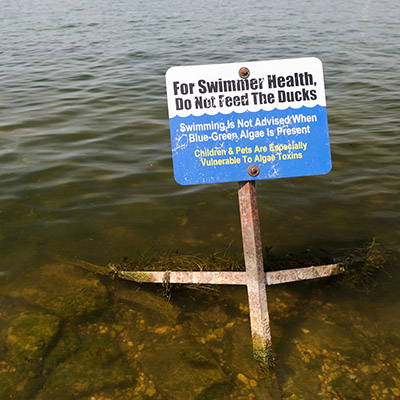
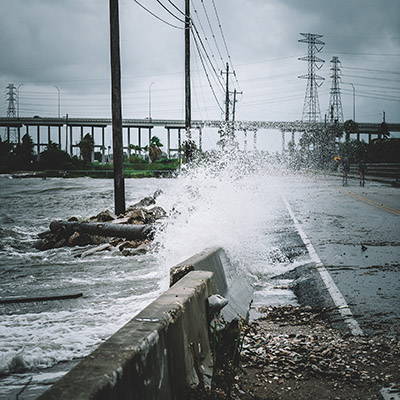
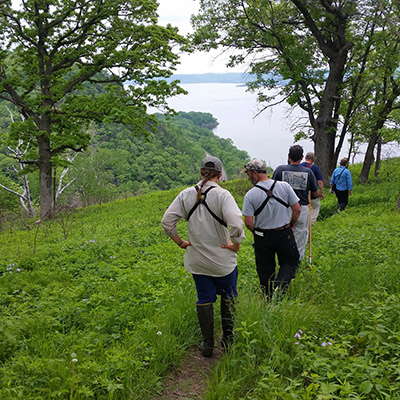
Understanding the Impacts and Learning to Adapt
Trends and Projections
WICCI climate scientists have “down-scaled” global climate models to project how Wisconsin’s climate has been changing and how it might change in the years to come. The studies find that our state is becoming warmer and wetter.

Education and Outreach: Success Stories of Climate Change Adaptation
These case studies provide guidance on how climate change is affecting our communities and ecosystems, and how we can prepare for and adapt to those changes.

Support WICCI
Gifts to the Wisconsin Initiatives on Climate Change Impacts (WICCI) Program Fund provide general, discretionary program support and are used to enhance and expand WICCI’s teaching, research, and public service roles. Gifts are also used to support partnership-building activities, including faculty, staff, and student recruitment, retention, and morale.